Partnerships Key To Growing Fish Consumption In Namibia
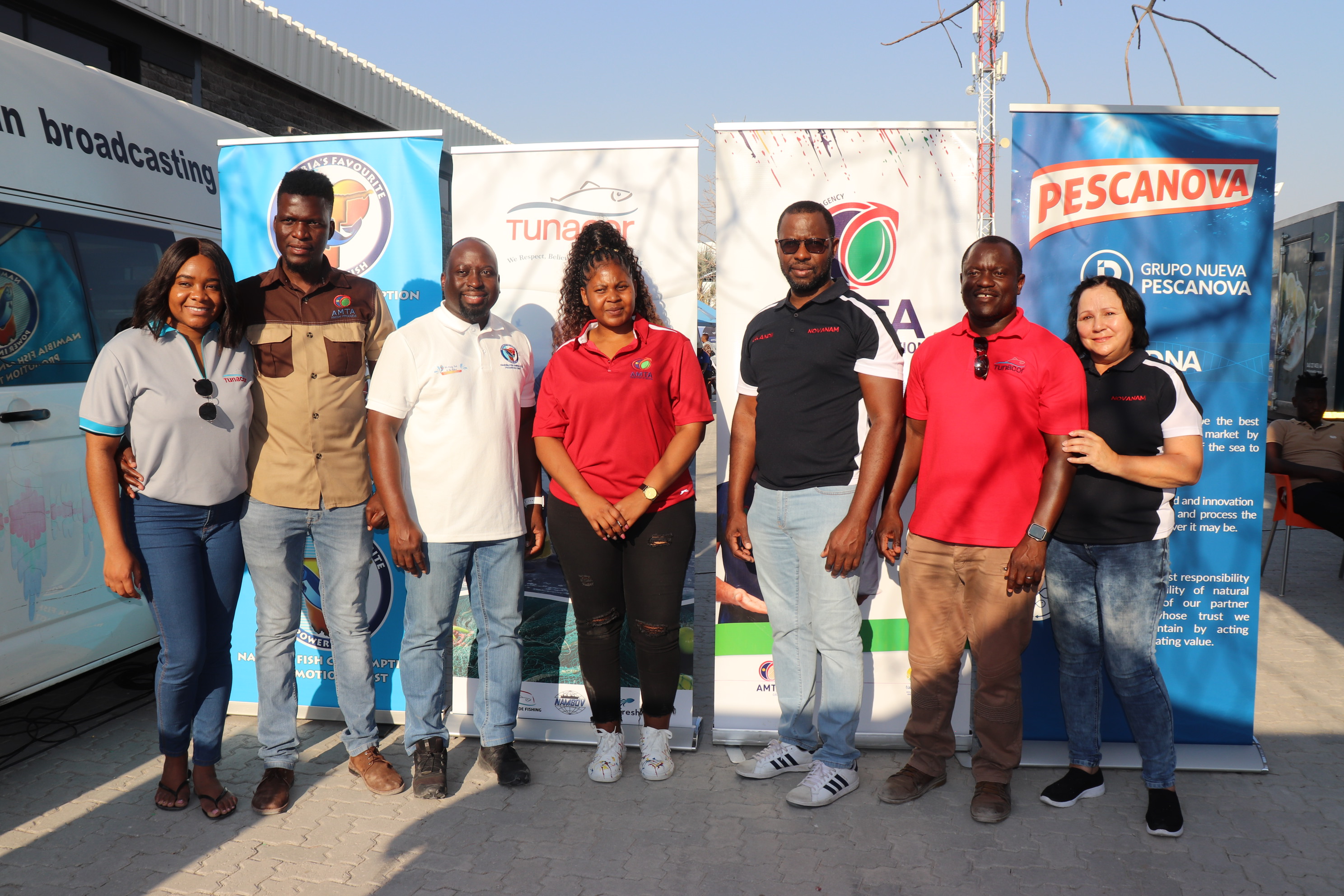
Walvis Bay — As Namibia continues its drive to improve national nutrition and food security, partnerships and stakeholder collaboration have emerged as critical pillars in fulfilling the mandate of the Namibia Fish Consumption Promotion Trust to promote fish consumption across the country.
Fish remains one of Namibia’s most valuable natural resources, yet for many years it was largely destined for export markets. Changing consumption habits at home requires more than simply making fish available; it demands coordinated efforts that bring together government, the private sector, communities, and development partners to ensure that fish is accessible, affordable, culturally acceptable, and easy to prepare.
The Trust has increasingly relied on strategic partnerships to extend its reach beyond urban centres and into remote communities. Through collaboration with regional councils, local authorities, small and medium enterprises (SMEs), and community-based organisations, the Trust has been able to establish and support fish shops, mobile distribution initiatives, and agency distribution models that improve access to fish in all 14 regions of the country.
However, access alone is not enough. Stakeholder collaboration also plays a vital role in addressing one of the key barriers to fish consumption: limited knowledge and skills in preparing fish. Many households, particularly first-time consumers, cite uncertainty about preparation methods, taste preferences, and food safety as reasons for not including fish regularly in their diets.
To respond to this challenge, the Trust works closely with partners in the education, health, hospitality, and training sectors to ensure that fish promotion goes hand in hand with practical skills transfer. Cooking demonstrations, community outreach programmes, school-based initiatives, and public events have become important platforms for teaching people how to prepare a variety of fish dishes using simple, locally available ingredients.
Partnerships with vocational training centres, chefs, caterers, and hospitality professionals have further enabled the introduction of diverse fish cuisines that appeal to different cultural tastes. By showcasing frying, grilling, baking, boiling, and modern fusion recipes, these collaborations help shift perceptions of fish from a limited or unfamiliar protein to a versatile and enjoyable meal option suitable for everyday consumption.
Media partners also play a crucial role in amplifying these efforts. Radio, print, and digital platforms help disseminate nutrition messages, share recipes, and highlight the economic and health benefits of fish consumption, ensuring that awareness reaches a broader audience.
Equally important is collaboration with the fisheries sector to ensure that increased consumption aligns with sustainability principles. Working with regulators, industry players, and conservation stakeholders helps promote responsible sourcing and long-term availability of fish resources.
As Namibia strives to improve dietary diversity and reduce reliance on more expensive protein sources, partnerships remain central to the success of the Trust’s mandate. By uniting stakeholders around a shared goal, making fish a regular, well-prepared, and nutritious part of the Namibian diet, the Trust continues to demonstrate that collaboration is not just supportive, but essential to lasting impact.